
News
Three Communities in Northwest Georgia and Northeast Alabama begin Resilience Planning Initiative
Three Communities in Northwest Georgia and Northeast Alabama begin Resilience Planning Initiative
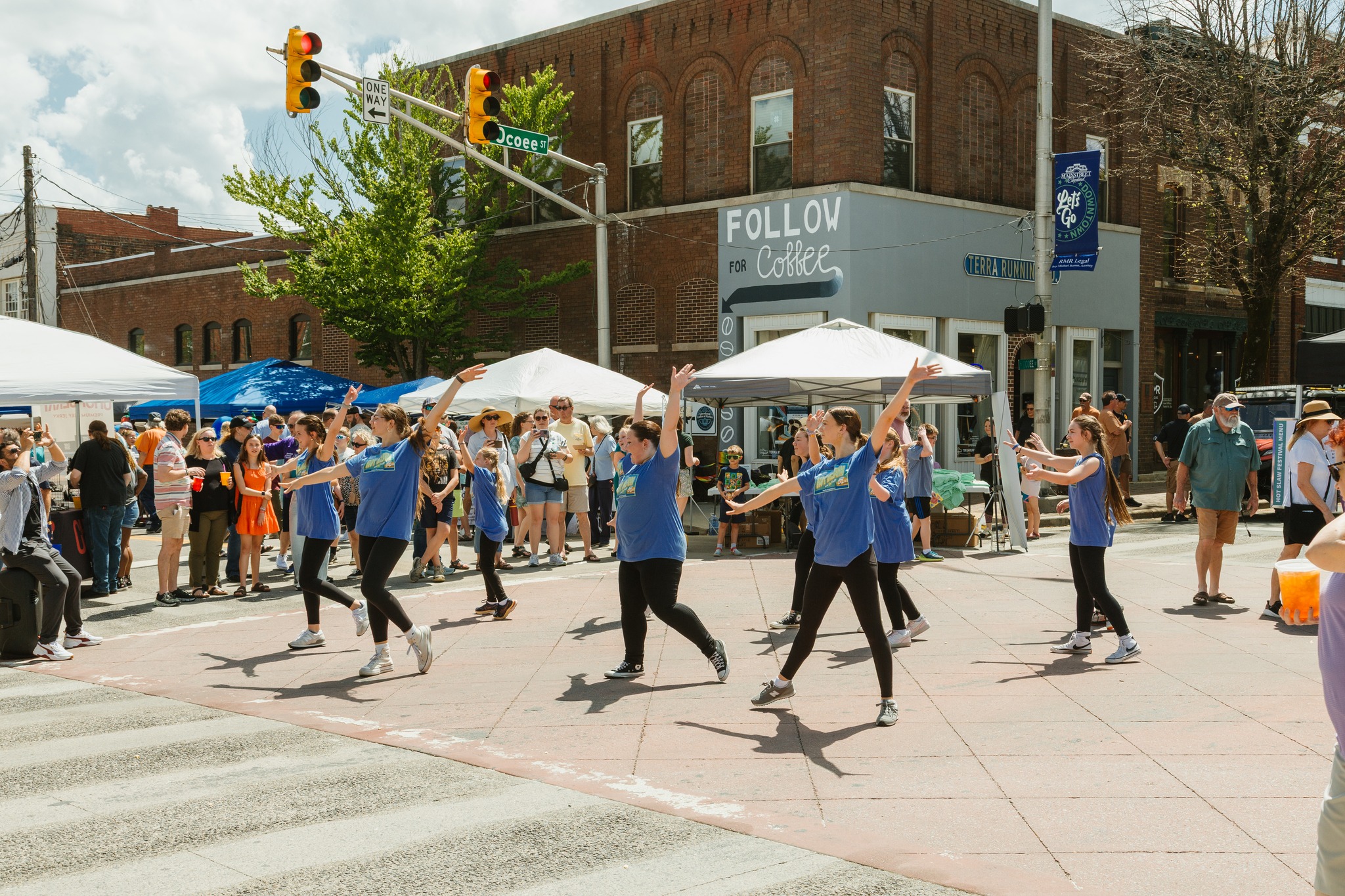
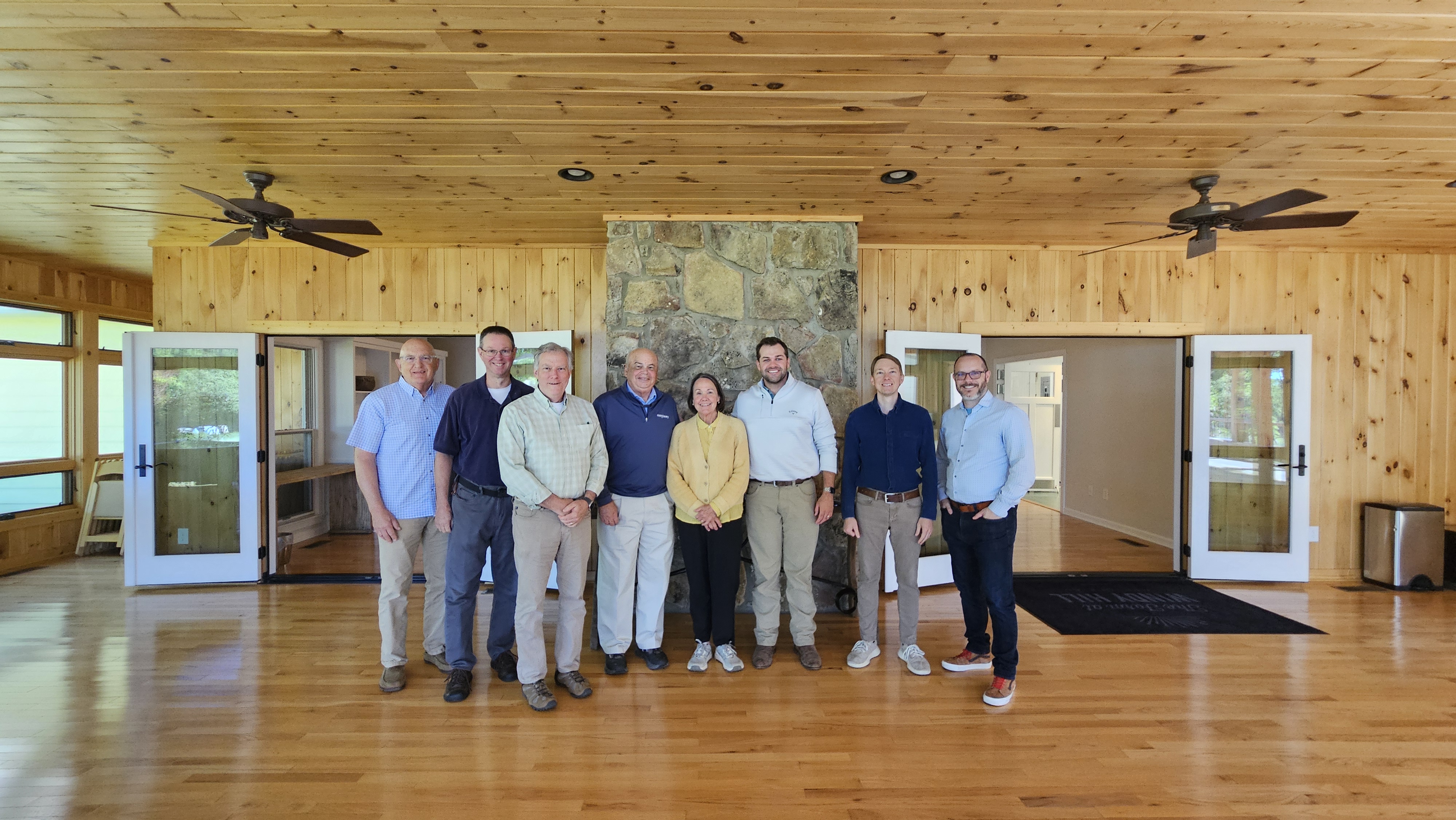
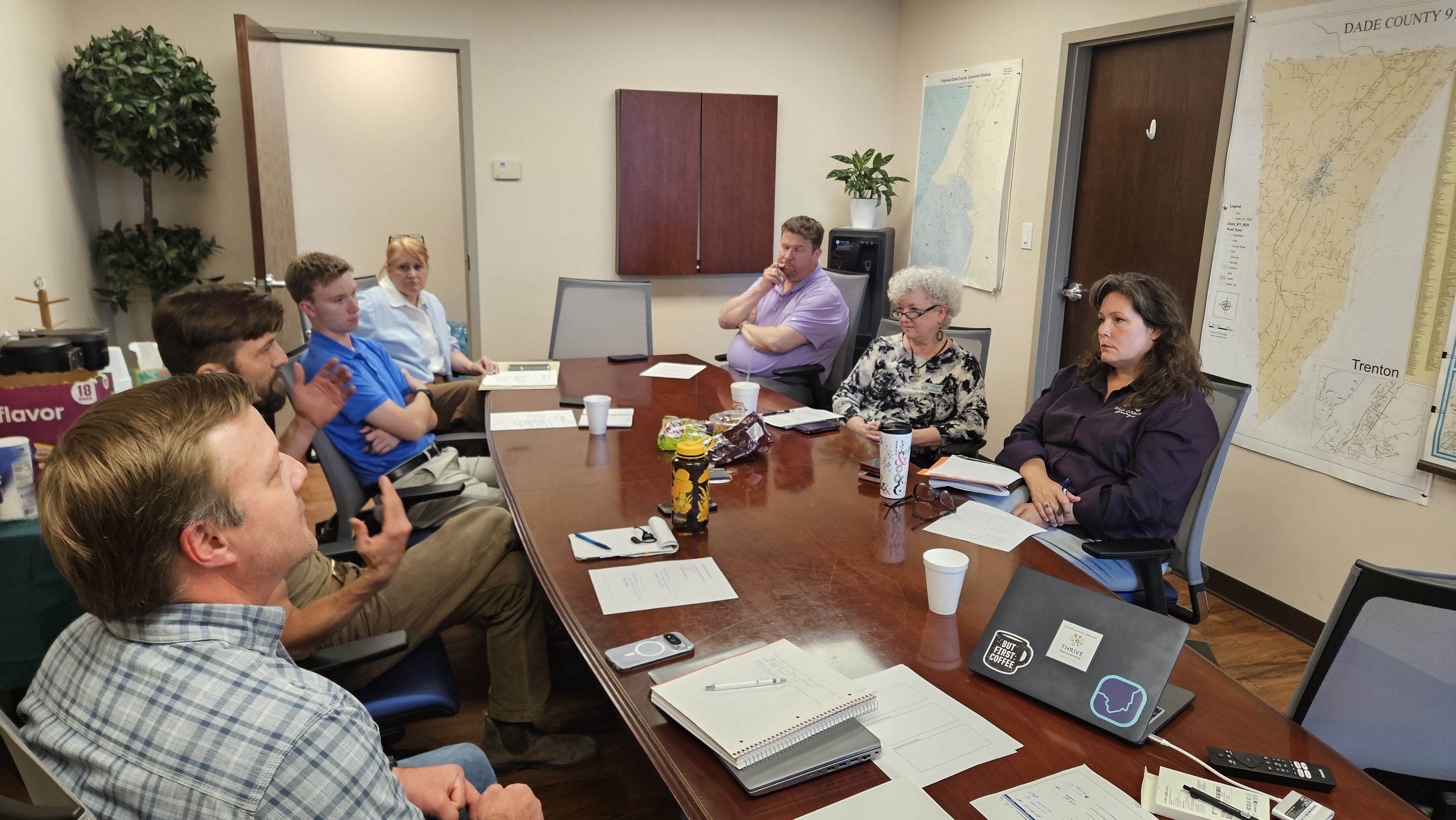
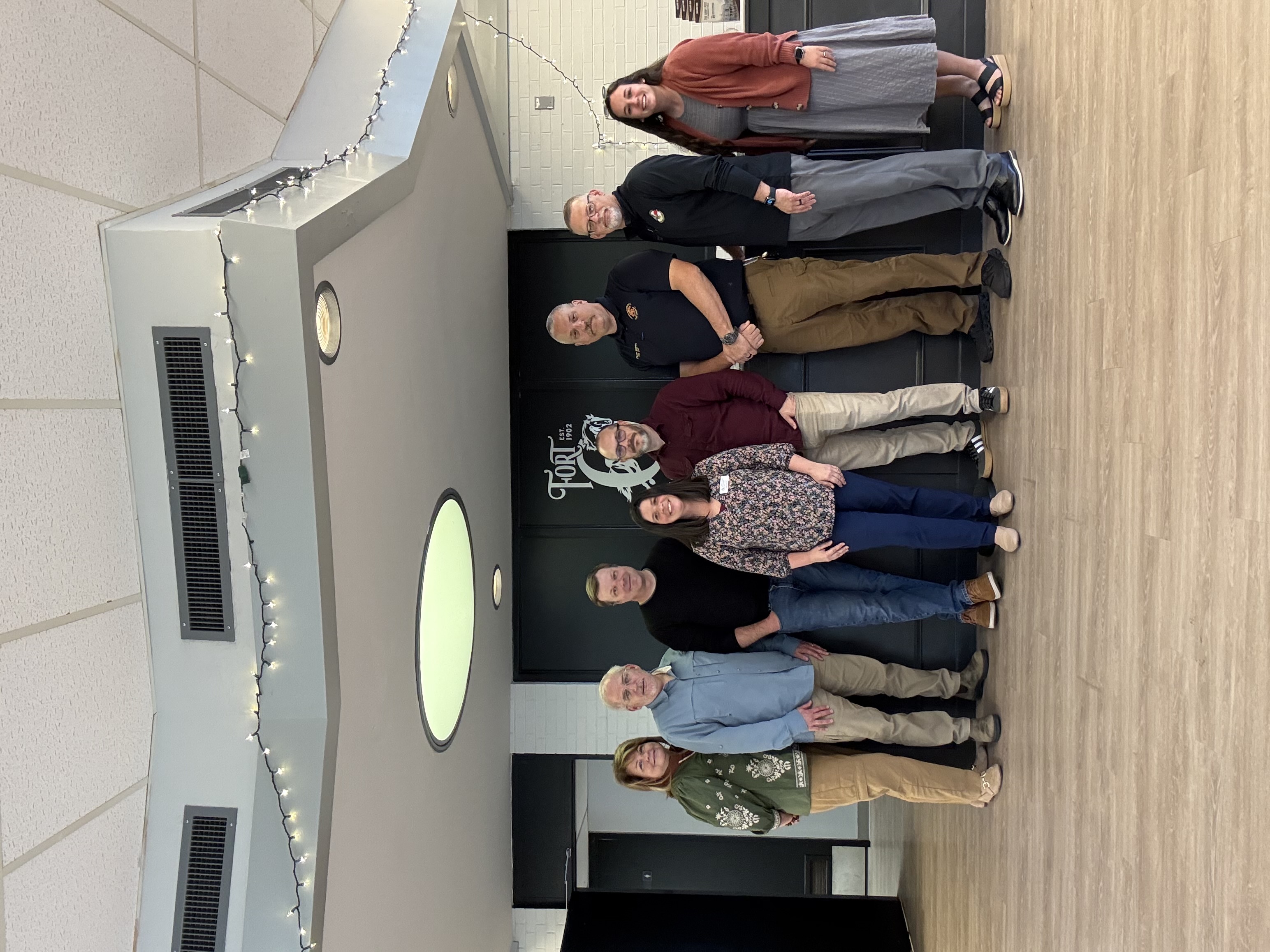
Greater Chattanooga- Thrive Regional Partnership (Thrive) and Open Space Institute (OSI) announced the selection of three communities — Mentone, Alabama, Fort Oglethorpe, Georgia, and Dade County, Georgia — to participate in the third cohort of the Resilient Communities program. The program, jointly led by Thrive and OSI, helps communities develop local strategies to better withstand weather events like flooding, extreme heat, and drought using nature-based solutions.
In recent years, severe weather has disrupted community life across greater Chattanooga. Severe storms caused flash flooding in Dade County in 2021, and, more recently, in Fort Oglethorpe, East Ridge, and Chattanooga in August 2025. Drought brings other challenges, such as a strained water supply on the South Cumberland Plateau, and difficulty in containing wildfires along the mountains of northwest Georgia.
Severe weather causes a financial impact as well. For example, between January 2014 and October 2025, natural hazard events in DeKalb County, Alabama, Catoosa, and Dade County, Georgia resulted in over $4.6 million in property damage, according to the National Oceanic and Atmospheric Administration (NOAA).
These weather events underscore the importance of planning for resilience, or a community’s ability to withstand, adapt to, and recover from environmental challenges while continuing to grow stronger over time.
Under-resourced communities and neighborhoods often bear the heaviest burden from these events. When faced with damaged property, impacted residents and business owners face steeper recovery costs at a time when inflation and construction material prices continue to increase. Resilience planning helps communities reduce risk before disasters strike, rather than simply rebuilding after them.
“The impacts of severe weather hit close to home for residents here in the tri-state. In addition to navigating flooded roads, closed schools and businesses, and emergency response efforts, local leaders need long-term solutions,” said Bridgett Massengill, President/CEO of Thrive Regional Partnership. “The Resilient Communities program is designed to build just that - a proactive strategy that helps communities not just respond and recover, but grow stronger over time.”
“We’re heartened by and proud of the successes of the Resilient Communities program,” said Joel Houser, OSI’s Senior Director of Capital Grants. “The program’s successes are due its people-first focus, bringing residents, local leaders, and experts together around solutions that are rooted in land. Across earlier groups, we’ve seen how forests, wetlands, and open spaces aren’t just environmental assets--they’re infrastructure that reduce risk, lower costs, and create healthier, more connected places to live. We’re excited to see Mentone, Fort Oglethorpe, and Dade County build on that momentum.”
In the Resilient Communities program, a core team of residents from each of the selected communities will work alongside experts in civic engagement, environmental science, and data analysis to understand their local risks and solutions tailored to their needs. Together, they will develop strategies to address challenges such as flash flooding, heat islands, drought, and erosion — prioritizing approaches that work with nature rather than against it.
Nature-based solutions use natural systems—such as forests, wetlands, rivers, and open space—to help protect communities from the impacts of severe weather. These approaches can reduce flooding, manage stormwater, and lower high temperatures. Nature-based solutions are often more cost-effective because they use local materials, require less maintenance, and provide co-benefits like clean air and water, as well as welcoming spaces for community recreation.
By the end of the Resilient Communities program, each team will create a custom resilience plan and will be eligible for $20,000 in seed funding to begin implementation and attract additional investment.
The program is structured as a cohort, so participating communities can learn from one another throughout the process. They will also have the opportunity to connect with the six communities that completed earlier cohorts and are already putting their resilience plans into action:
- Dalton, Georgia
- South Pittsburg, Tennessee
- Spring City, Tennessee
- The Emma Wheeler Homes neighborhood of Chattanooga, Tennessee
- Soddy-Daisy, Tennessee, and
- Monteagle, Tennessee
The Resilient Communities program connects to a larger environmental and economic vision for the tri-state region. The program builds upon Thrive’s Cradle of Southern Appalachia initiative, a collaborative landscape conservation blueprint that connects people across southeast Tennessee, northwest Georgia, and northeast Alabama to the region's natural resources, and to the tangible value those resources provide to local communities.
OSI has worked extensively in focus areas throughout the Appalachian Mountain Region to preserve landscapes for a wide range of community and ecological benefits. Today, OSI is accelerating and amplifying land protection across the entire 18-state Appalachian area—stretching from Alabama to Maine—through efforts including grant funding for on-the-ground projects; convening funders, public agencies, and stakeholders to improve and streamline progress toward shared goals; and through the development of free online tools offering rich scientific data to strategically guide conservation investments for maximum impact.
The Resilient Communities program is supported in part by a $2.87 million federal grant awarded to Thrive by the Appalachian Regional Commission under the Appalachian Regional Initiative for Stronger Economies (ARISE), which advances large-scale, collaborative economic transformation across the Appalachian region. This federal investment represents 56% of the total $5.13 million project cost of Thrive's Regional Resource Hub — an initiative that expands community leadership, capacity programs, and data resources across the tri-state, greater Chattanooga region.
By participating in the Resilient Communities program, communities gain access to this broader network of expertise, partnerships, and funding — channeling meaningful investment into the places and people of Southern Appalachia.
To learn more about the Resilient Communities program, visit https://www.thriveregionalpartnership.org/initiatives/resilient-communities-program.
Resilience Begins when a Community Comes Together
Project Partners

Thrive Regional Partnership (Thrive) is a nonprofit organization that inspires responsible growth through conversation, connection, and collaboration across northeast Alabama, northwest Georgia, and southeast Tennessee.

The Open Space Institute (OSI) is a national leader in land conservation and efforts to make parks and other protected land more welcoming for all. Since 1974, OSI has partnered in the protection of more than 2.5 million at-risk and environmentally sensitive acres in the eastern U.S. OSI’s land protection promotes clean air and water, improves access to recreation, provides wildlife habitat, strengthens communities, and combats the devastating impacts of extreme weather and flooding.
.png)
The Appalachian Regional Commission (ARC) is an economic development partnership entity of the federal government and 13 state governments focusing on 423 counties across the Appalachian Region. ARC’s mission is to innovate, partner, and invest to build community capacity and strengthen economic growth in Appalachia. To learn more visit arc.gov.
More Like This
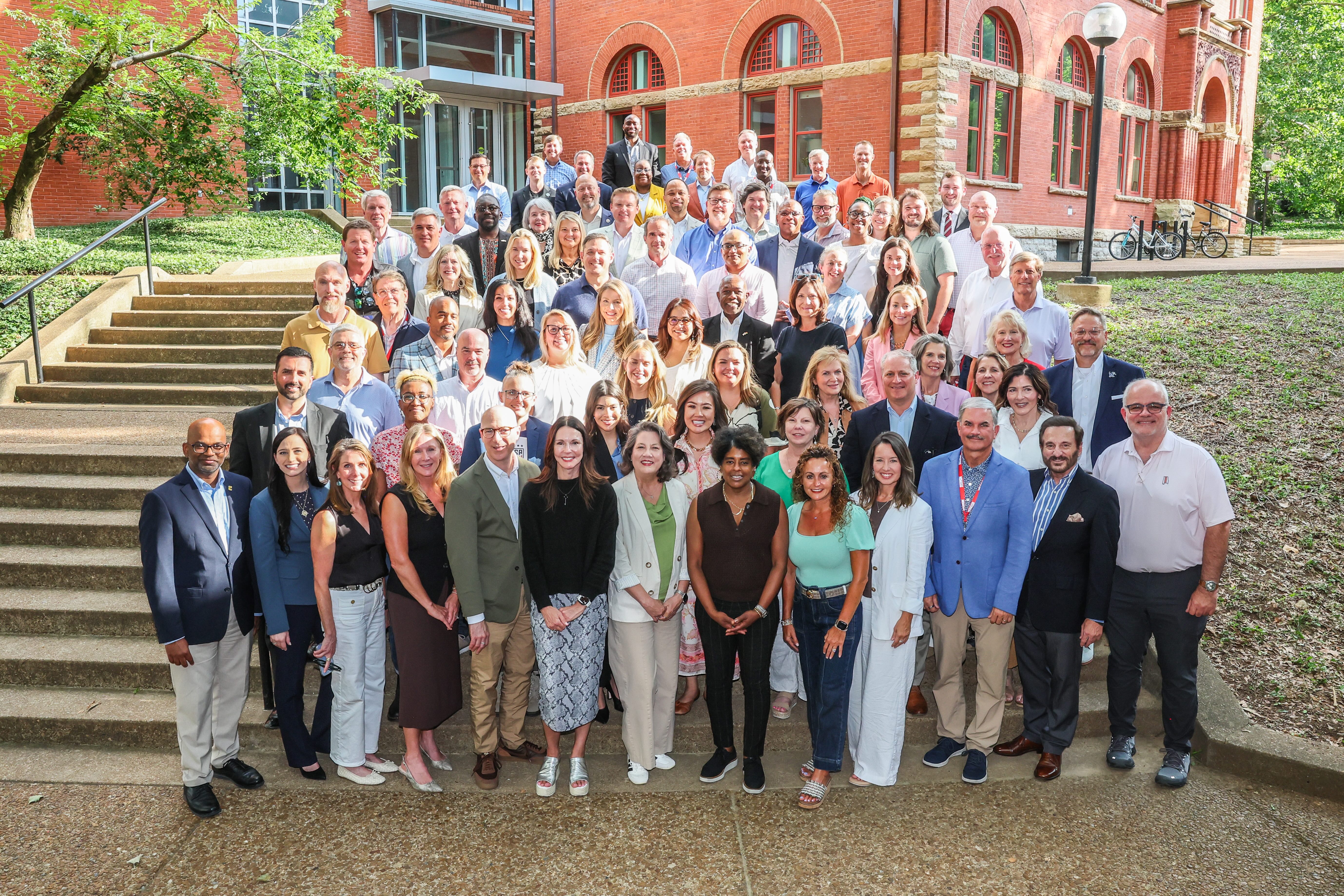
Shannon Millsaps Inducted into Inaugural Leaders Academy

Joe Minicozzi to Deliver Keynote Address at the 2026 Tri-State Summit